Deep tissue massage in Belgrade: what it is, who needs it, and when firm pressure is the answer
RWritten By Runway Massage Studio
„I want something stronger“ — a sentence we hear at the Runway studio almost every day. Behind it usually sits a need for deep tissue massage: a treatment that doesn't glide across the surface but works patiently through the deeper layers of muscle and connective tissue. Here's what you actually get, and how to tell whether it's the right massage for you.
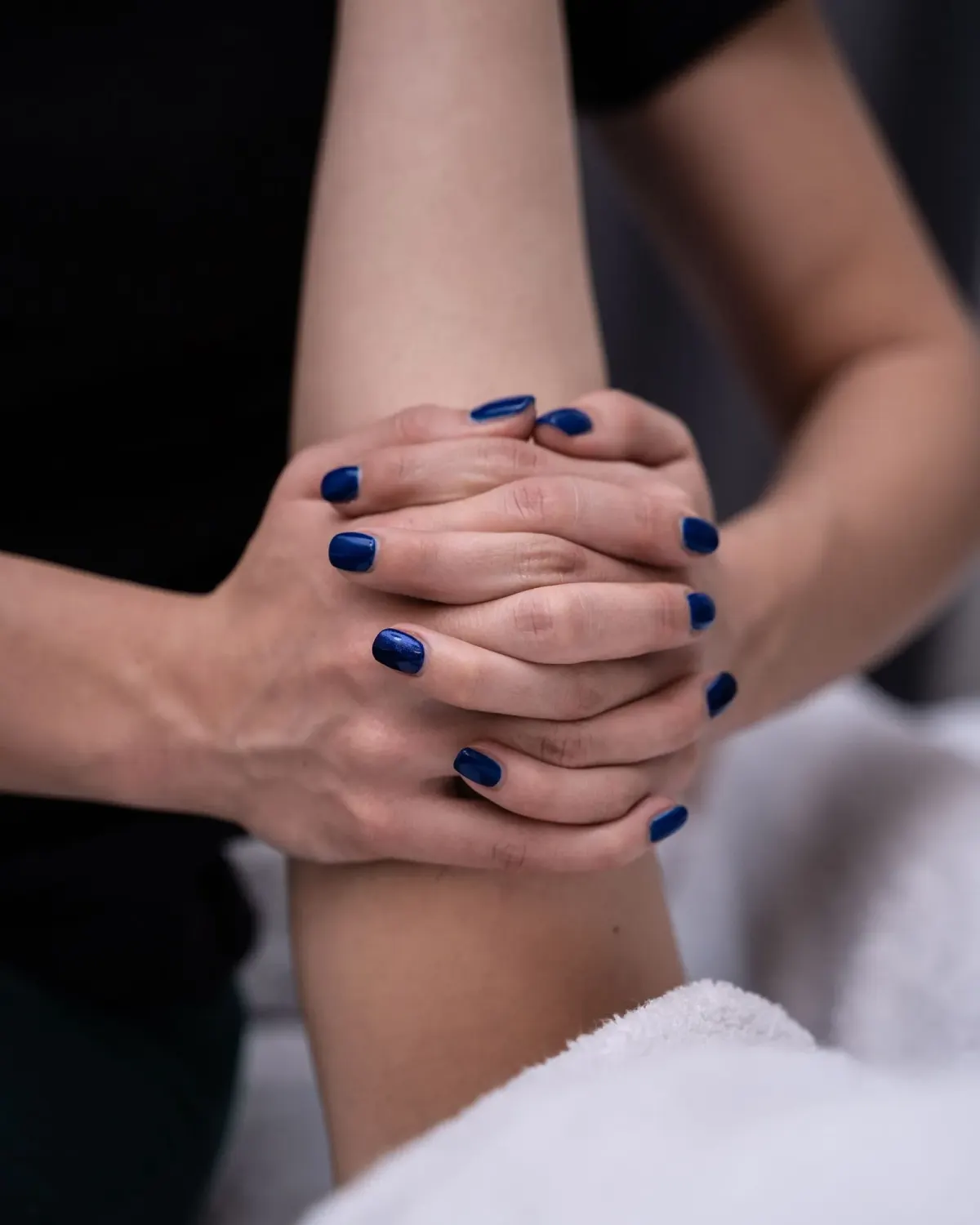
Deep 1 — forearm pressure where fingers can't reach.
What deep tissue massage is
Unlike a classic relaxation massage that soothes the surface, deep tissue uses slower strokes and firmer, targeted pressure to reach the trigger points — those hard „knots“ that radiate pain and restrict movement. The goal isn't pain but release: a good therapist works at the edge of comfortable, never past it.
Who benefits most
People who sit for long hours: stiff shoulders and neck from desk work and „tech neck“.
Recreational athletes and sportspeople: tight legs, back and overloaded muscles after training.
Anyone carrying chronic tension: when an ordinary massage „doesn't reach deep enough“ and the relief is short-lived.
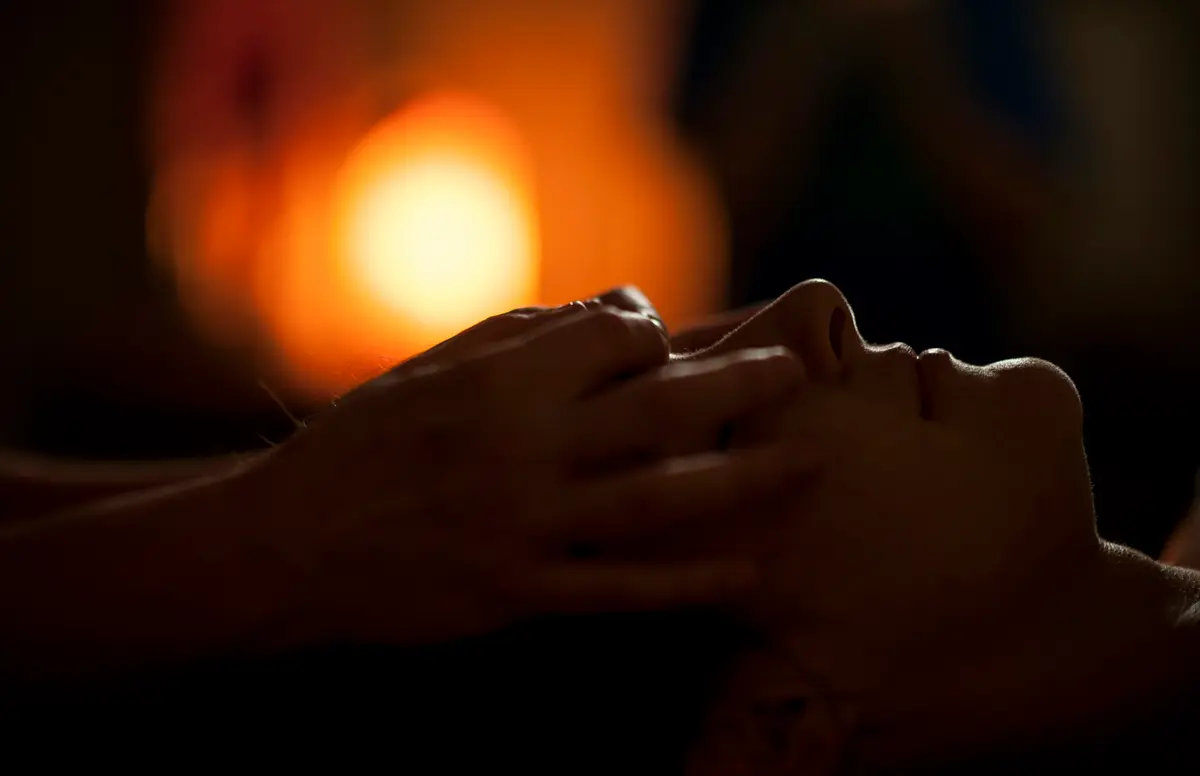
A slow, deep stroke — pressure the body accepts.
Deep tissue vs. „the massage that hurts“ — the big misconception
Firm pressure doesn't mean you should be gritting your teeth. If a sharp pain shoots through you during the treatment, the muscle reflexively tightens and the effect is weaker. That's why at Runway we adjust pressure live, guided by your feedback — from pleasantly firm to intense, at a pace your body accepts.
What to choose at the Runway studio
For classic deep work on pain and tension, there's Deep 1, our firm-pressure massage. If your aim is recovery after training (medium to firm pressure, focused on regeneration), the better fit is the Post Workout massage. And if you're not sure — the Made for You treatment combines techniques to match your body exactly.
Will I be wrecked the next day?
Mild tenderness the following day is normal and passes within 24–48 hours — much like after a good workout. Our advice: drink water, go easy on strenuous activity, and let the body use what the treatment set in motion. More on that in why soreness appears after a massage.
If something has been pulling at your neck or back for days, don't wait for it to become chronic. Firm pressure, applied with skill, is often the shortest route back to ease.
Scratchy throat, runny nose, and a massage booked for tomorrow. When a massage is fine, when it's better to move it, why a fever changes everything, and what to tell your therapist when you come in while recovering.
Notebooks, branded mugs and gift baskets are in a drawer by February. Why most year-end company gifts are forgotten, what people really remember, and how to organise it all before the December rush.
What to wear, how much you undress, whether it’s fine to stay quiet and what to do if the pressure hurts. Everything people want to know before their first massage but rarely ask — and how it actually works at our studio.