When it turns cold, everything hurts: weather changes, a stiff neck and what actually helps
RWritten By Runway Massage Studio
Every autumn in Belgrade follows the same script. One morning it’s still short sleeves, the next the košava wind is blowing, and by noon your neck is pulling, your shoulders are tight and a knee you never heard from all summer is back. Serbian grandmothers would say the weather is about to change — and they’re often right.
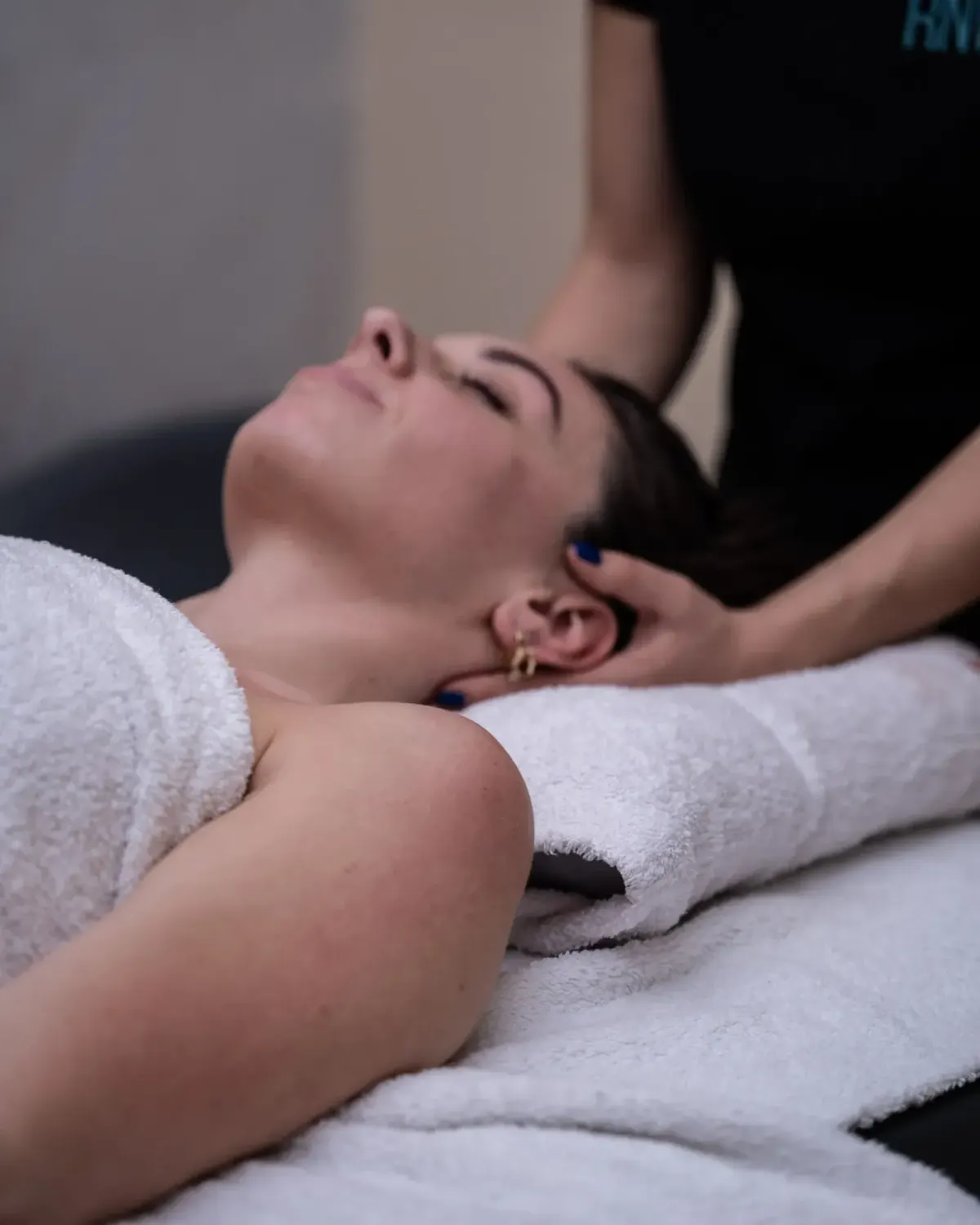
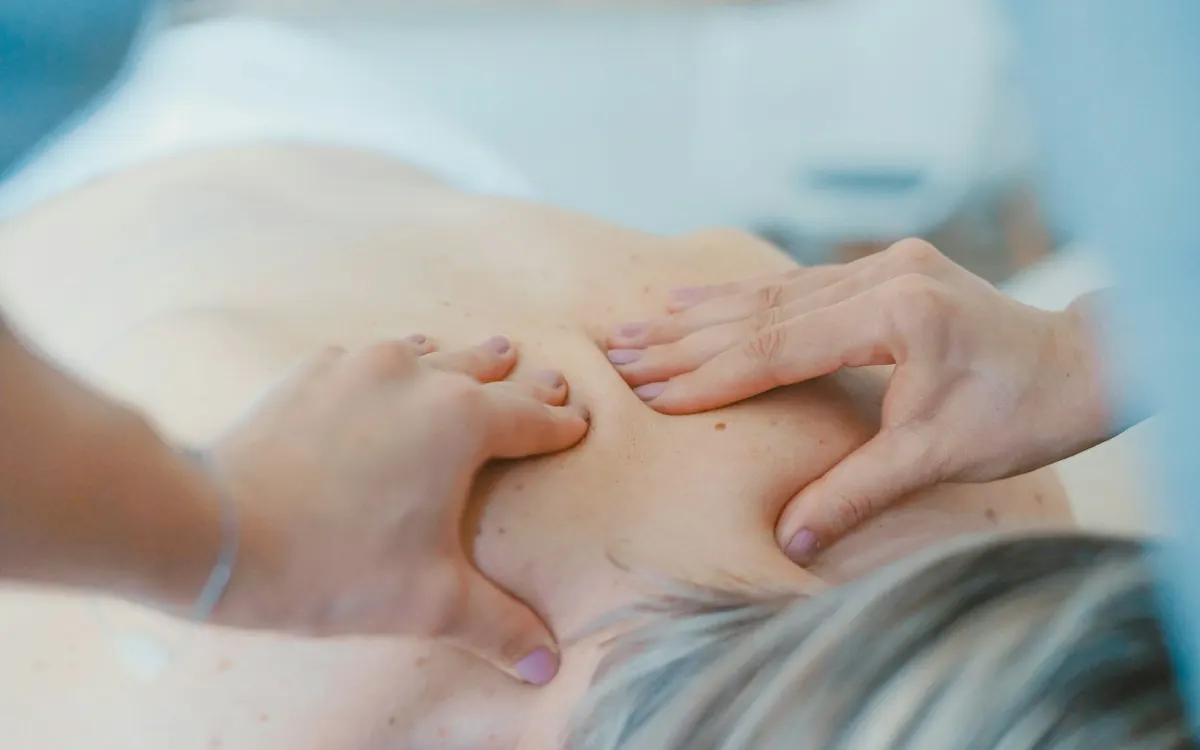
Targeted work on shoulders and neck after long hours of sitting.
At the Runway Massage studio in Vračar we recognise the first cold snap by what clients tell us before the forecast does: “I woke up and couldn’t turn my head,” “my back has been like a plank since Monday.” Here is what actually happens in the body on those days, what is myth, and what helps.
Is weather sensitivity real?
Partly — and that’s the honest answer. Weather sensitivity (in Serbia everyone calls it meteoropatija) describes headaches, joint and back pain, fatigue or irritability that show up when pressure drops, humidity rises or the temperature falls suddenly.
The science isn’t unanimous. A large UK study from 2019, in which more than ten thousand people with chronic pain logged their symptoms daily in a phone app, found that humid, windy, low-pressure days were linked to somewhat stronger pain — but the difference was moderate, not dramatic. An American analysis of millions of doctor visits, on the other hand, found no rise in back and joint pain visits on rainy days.
The reasonable conclusion: weather probably doesn’t create pain out of nothing, but it amplifies what’s already there — an old injury, a stiff back, tense shoulders. That’s why the same cold day leaves one person untouched and knocks another flat.
Why your neck locks up on the first cold days
Here the mechanism is much clearer. When it’s cold, the body saves heat the simplest way it can — it curls in. Shoulders rise towards the ears, chin drops towards the chest, and the muscles of the neck and upper back hold a low-level spasm all day. Nobody notices while it’s happening. You notice in the evening, when your neck won’t turn all the way, or in the morning, when it won’t turn at all.
Then there’s the famous Balkan draught. There’s no evidence that a draught “gets into your neck” or causes illness on its own — but cold air on a bare, often sweaty neck for hours, especially while you sleep, is enough to make the muscle tighten reflexively and stay that way. The result is exactly what your grandmother describes, just with a different explanation.
October adds three things summer doesn’t have:
Heating season. From mid-October we sleep in warm, dry flats and step out into the cold. Going from twenty-four degrees to eight is a small shock for your muscles, several times a day.
Less movement. The walk to work becomes a drive, the outdoor workout becomes “from Monday”. A muscle that moves less stiffens faster.
Shorter days. Less light means worse sleep and a lower mood, and a tired body feels pain more strongly. On the last Sunday of October the clocks go back too, so your sleep rhythm suffers for another week.
Scent, light and quiet — the unwinding starts before the first stroke.
What actually helps
A scarf isn’t superstition. A covered neck is a neck that doesn’t have to defend itself from the cold. It’s the cheapest prevention of stiffness there is.
Heat, not ice. For cold-related stiffness a warm shower or a warm compress on the neck and shoulders releases the protective spasm. Ice is for a fresh injury, not for this.
Move every day, even a little. Ten minutes of walking in daylight, ideally before noon, does double duty: it gets the muscles going and keeps your sleep rhythm steady.
Drop your shoulders, on purpose. A few times a day, check where your shoulders are. If they’re up by your ears, lower them and breathe out. It sounds trivial, and after a week you feel it. We collected a few exercises for home in 12 easy stretches to do at home.
A bedroom cooler than the living room. Around 18–19 degrees, with no direct stream of air onto the bed — and no open window above your head.
Water, even when you’re not thirsty. Heating dries the air, and we drink less in winter than in summer — the body feels it both in the muscles and as headaches.
Where massage makes sense
Massage doesn’t change the weather outside, but it changes how the body responds to it. A warm room, hands working slowly on the neck and shoulders, and an hour with nothing to do release exactly the spasm the cold put there — and tell the body it no longer needs to brace.
What to choose depends on what bothers you:
Destress Back — when the neck, shoulders and upper back are the main problem and the rest of the body is fine. Short and targeted, it fits into a work break.
Soul Harmony — when the cold comes with shorter days, poorer sleep and nerves. Gentle pressure and a slow rhythm work on the nervous system as much as on the muscles.
Deep 1 — when the same old pain returns every autumn in the same spot. That’s a sign the tension is there all summer too; the cold just turns it up.
Every treatment comes with a warm drink and slippers — which in October isn’t a detail, it’s half the point.
When it’s not the weather but a reason to see a doctor
A neck stiffened by cold eases within a day or two with warmth and gentle movement. A few signs, however, mean it isn’t about the weather:
A stiff neck together with a high fever and a severe headache — this is urgent; don’t wait until morning.
Pain spreading down the arm, with tingling or weakness in the hand.
Pain after a fall, a blow or a sudden jolt of the head.
A swollen, red or warm joint.
Pain that gets worse day by day instead of easing.
In those cases the first step is a doctor, not a massage — and we’ll tell you the same.
How not to spend autumn in a spasm
People who suffer from the same aches every winter usually react only once the pain arrives. The reverse order works better: small, regular moves before it gets properly cold — a scarf, a walk, sleep, and one treatment a month for the cold half of the year. Why a rhythm beats a single visit, we explained in how often to get a massage. If the same aches show up in the morning, read also why your neck and shoulders hurt after sleep.
You can’t change the weather. But you can decide that this autumn won’t find you with your shoulders up by your ears.
Lists, supplies, a new routine — the back-to-school run-up wears parents out most. A plan for a calmer September and why a massage is recovery, not luxury.