Clocks go back on 25 October: how to keep winter time from throwing you off
RWritten By Runway Massage Studio
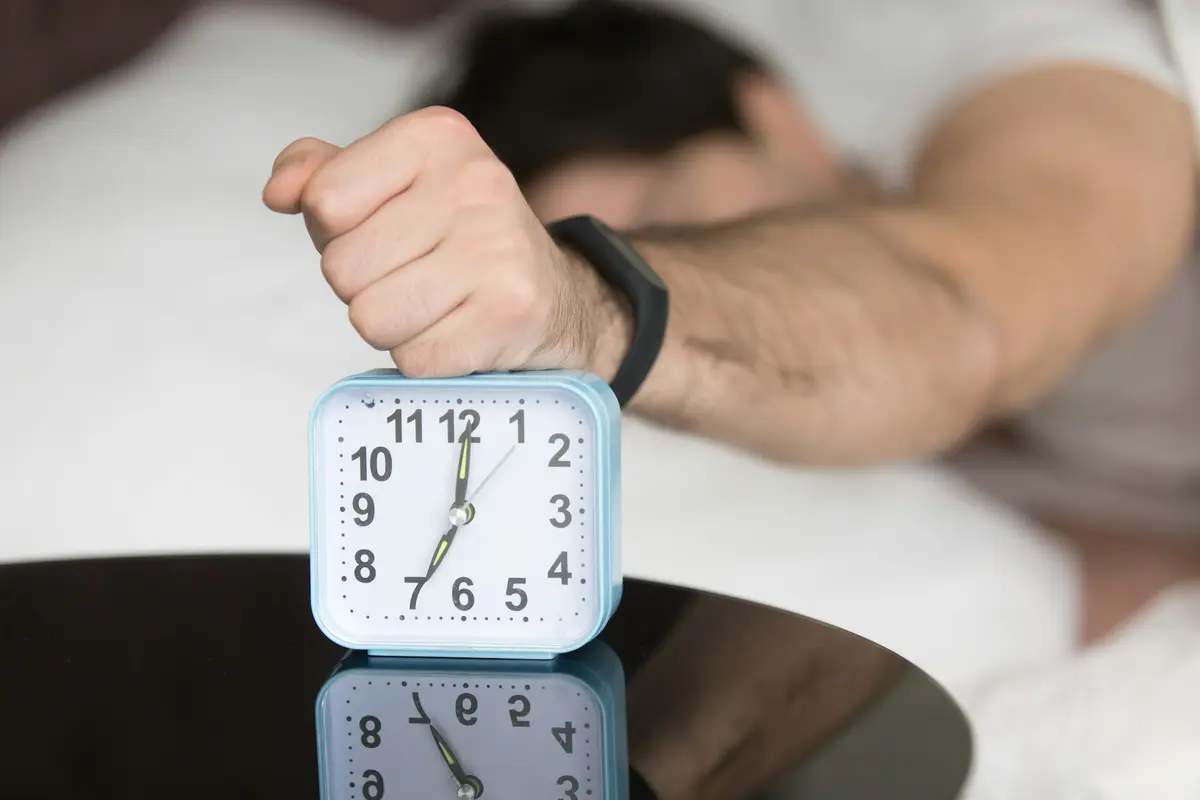
On Sunday, 25 October, at three in the morning, the clocks in Serbia go back to two. On paper, we gain an hour of sleep. In practice, many people spend that Sunday and the days after it as if they had just crossed a time zone: they wake before the alarm, feel exhausted by eight in the evening and struggle to focus in the middle of the day.
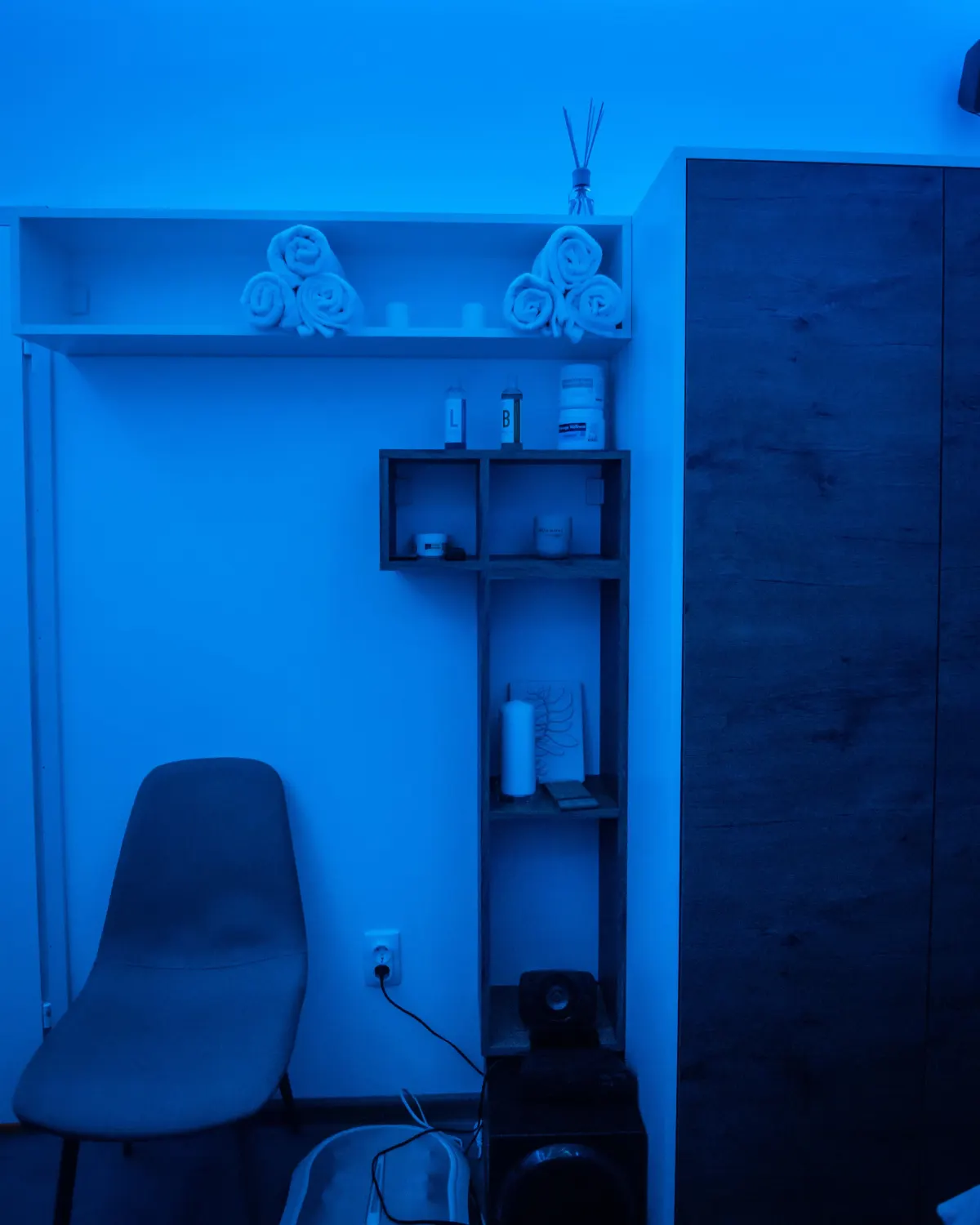
Dim light helps the body flip the switch.
The autumn change is gentler than the spring one — the body copes better with gaining an hour than losing one. But it arrives at an awkward moment: the days are already getting shorter, and from the Monday after the switch the sun sets over Belgrade before five in the afternoon. Here is what happens in the body, and how to get through the change without a week of drifting.
Why one hour makes such a difference
Your body doesn’t look at the clock on the wall. It runs on its own internal, circadian rhythm, which resets every day according to light. Morning light tells it the day has begun; darkness in the evening tells it it’s time for melatonin — the hormone that makes us sleepy.
When the clocks change, everything else moves by an hour too: work, school, meals, the alarm. The internal clock stays where it was and catches up gradually. For most people that takes a few days, so the transition is usually over by the middle of the following week. Early risers, small children, older people and anyone who already sleeps badly tend to feel it for longer.
Signs your body hasn’t caught up yet
you wake an hour before the alarm and can’t fall back asleep
you get sleepy earlier than usual, then lie awake after midnight
your energy drops sharply in the afternoon, especially once it gets dark
you’re hungry at the wrong times and meals don’t feel right
you’re irritable and find it harder to concentrate
All of this passes. But if it coincides with stress at work or the autumn neck and shoulder pain we wrote about in our piece on weather changes and a stiff neck, the week after the switch can be a hard one.
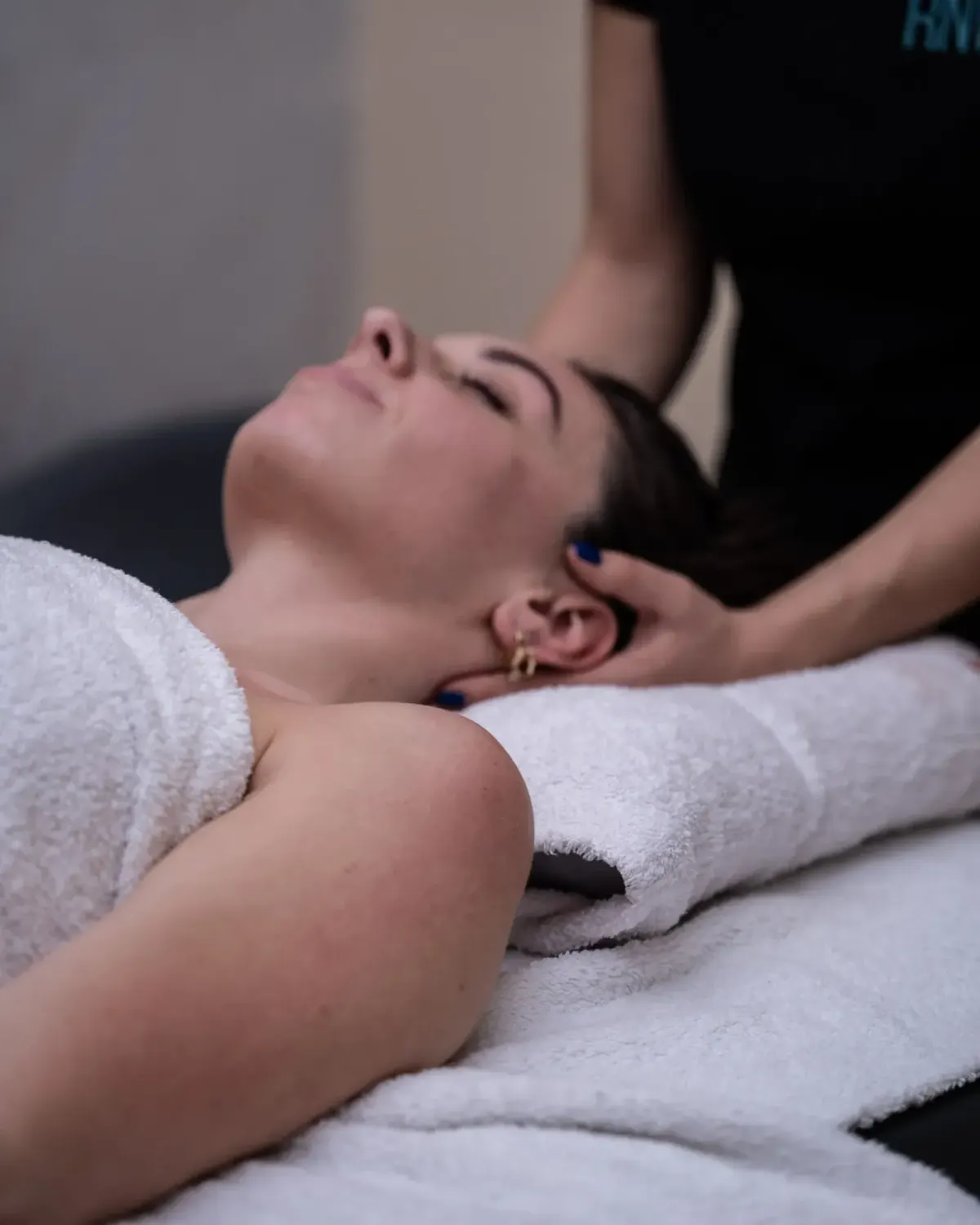
Targeted work on shoulders and neck after long hours of sitting.
Six things that make the switch easier
Start a few days early. From Wednesday or Thursday, go to bed and get up about fifteen minutes later than usual. By Sunday, your body is already halfway there.
Catch the morning light. Ten to fifteen minutes outdoors right after waking — walking to work, coffee on the balcony — is the strongest signal your internal clock gets. Light through a window is weaker, but better than nothing.
Same alarm, weekends included. Don’t spend the “extra” hour sleeping until noon on Sunday. A steady wake-up time restores your rhythm faster than anything else.
Don’t give in to the first darkness. When it’s dark before five, resist heading straight for the sofa. A short walk, a workout or at least bright light at home holds off the sleepiness that would otherwise knock you out at eight — and wake you at midnight.
Coffee before noon, phone out of bed. Caffeine stays in your system for hours, and bright screen light late at night pushes sleep later — exactly when you’re trying to pull it back into place.
Tell your body the day is over. A warm bath, a few minutes of stretching or slow breathing before bed help your nervous system switch from “work” to “night” mode. You’ll find a few exercises for home in our 12 easy stretching exercises.
Where massage helps
Massage doesn’t move your internal clock — light does that. But it helps with what makes the transition harder: a tense body and a nervous system that won’t settle. The slow, steady rhythm of a gentle massage slows breathing and heart rate, and many clients tell us they fall asleep more easily and sleep more deeply that night. We explain what actually happens to sleep after a massage in our piece on massage for better sleep.
If you’re dreading the week after the switch, a late-afternoon appointment is a good move: instead of the first darkness finding you on the sofa, you end the day on the massage table and head home ready for sleep.
Soul Harmony — gentle pressure and a slow rhythm, when the goal is to calm down and sleep well.
Destress Back — 35 minutes for the back, neck and shoulders, if tiredness has already settled in your upper back.
Reflexology — a foot massage for those who can’t switch their head off in the evening.
Finally
Changing the clocks is a small jolt, but it comes when your body already needs more care: less light, more obligations, the first colds. A few days of consistent routine is usually enough for everything to settle. And for the whole cold half of the year, regularity does more than one big effort — we wrote about how often it makes sense to come in how often to get a massage.
The studio in Vračar is open Monday to Saturday, and you can book online at Runway Massage in a couple of minutes. Every treatment comes with a warm drink, slippers and a complimentary foot massage.
Why a one-hour massage often ends just as you relax, when 60 minutes is plenty, when your body needs 90 — and why the longer slot costs less per minute.
Why pain shows up exactly when the weather changes, what science says about weather sensitivity, why your neck locks up on the first cold days — and what helps until spring.