In the world of wellness, we often hear that massage has the power to "detox" the body. This claim is widespread, but the question arises: is it a myth or does it really have a scientific basis?
Leg work gets circulation moving and lifts the heaviness.
At Runway Massage Studio we believe in transparency and in providing treatments that genuinely deliver results. So we'll clarify how massage affects the detox process and why it's much more than a myth.
How does the body detoxify?
Detoxification is a natural, continuous process that takes place in our body. It is primarily handled by the liver and kidneys. The liver converts toxins and waste products into substances the kidneys can filter and excrete through urine. Alongside them, the lymphatic system, intestines and skin also play an important role in eliminating waste.
The role of the lymphatic system in detoxification
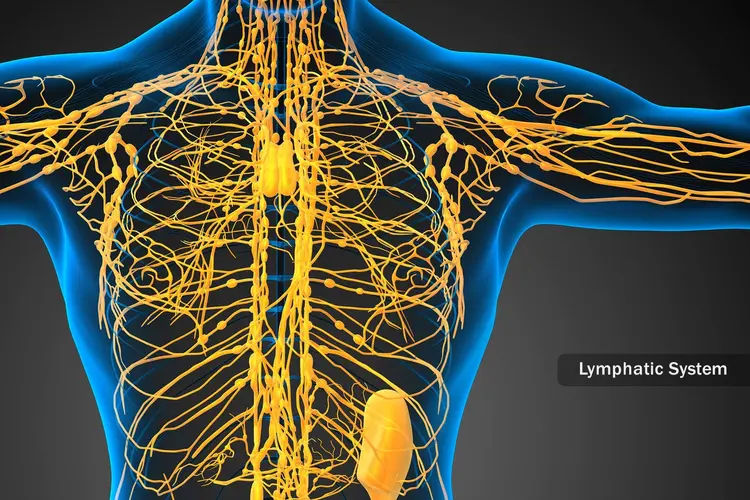
The lymphatic system is a key player in the detox process. It is a network of tissues and organs that carry lymph – a fluid containing white blood cells – throughout the body. Unlike the cardiovascular system, which has the heart as a pump, the lymphatic system has no pump of its own. Its flow relies on muscle contractions, body movement and pressure from outside the lymph vessels.
When lymph flow is slowed, toxins can accumulate in the tissues, leading to fatigue, swelling and pain.
The oil is chosen for the treatment, not the other way round.
Massage as a detox tool: the truth behind the myth
Massage doesn't detoxify the body directly in the sense of "cleansing" the liver or kidneys. However, it has an extremely powerful indirect effect on detox processes, primarily through:
Stimulating the lymphatic system: This is the biggest truth behind the detox claim. With kneading and stretching movements, massage mechanically encourages lymph flow. This helps remove metabolic waste from the tissues faster and more efficiently, reducing swelling and improving overall health.
Improving circulation: Massage increases blood flow, bringing more oxygen and nutrients to all cells. Healthy, well-nourished cells are more efficient at performing their functions, including those related to detoxification.
Releasing muscle tension: Tense, cramped muscles can obstruct the flow of lymph and blood. By relaxing the muscles, massage removes those obstacles, allowing the body to perform its functions unhindered.
So the claim of "detox through massage" isn't a myth, but the truth, with an important clarification. Massage doesn't detoxify on its own, but it strongly supports and accelerates the body's natural detox processes, primarily by improving the function of the lymphatic and circulatory systems.
Is every massage good for detox?
Almost every type of massage, from a gentle relaxation to a therapeutic one, has a positive effect on circulation. However, two stand out in particular:
Relaxation massage: Gentle pressure is enough to encourage lymph flow, and relaxing the nervous system further eases bodily processes.
Therapeutic massage: By breaking down muscle knots, it releases the tension that was obstructing circulation, enabling faster flow.
Conclusion
Massage isn't a magical treatment that will "cleanse" you, but it is an extremely powerful tool that supports the most important detox systems in your body. So next time you feel tired, swollen or simply want to "reset", keep in mind that massage offers far more than relaxation.
Book your appointment at Runway Massage Studio and let our therapists help your body breathe again.
Why pain shows up exactly when the weather changes, what science says about weather sensitivity, why your neck locks up on the first cold days — and what helps until spring.
Lists, supplies, a new routine — the back-to-school run-up wears parents out most. A plan for a calmer September and why a massage is recovery, not luxury.